

Exit Only
Five one-way transitions by institutions that thought they were still deciding.

Five pieces today are about transitions that cannot reverse. Washington shut down Anthropic’s models using safety data Anthropic had voluntarily shared, and every frontier lab now knows transparency is a liability. America’s allies signed more trade deals in seven months than in the previous decade, each creating constituencies that resist reverting. Corporate America spent a trillion dollars shrinking its own share count while the incentive loop that rewards it has no off switch. Surgical robots trained on synthetic patients who never existed, and the data moat dissolved in 40 minutes of simulation. And Bitcoin miners signed $70 billion in AI contracts with debt covenants that prohibit returning. Five exits. None of them reversible from inside.
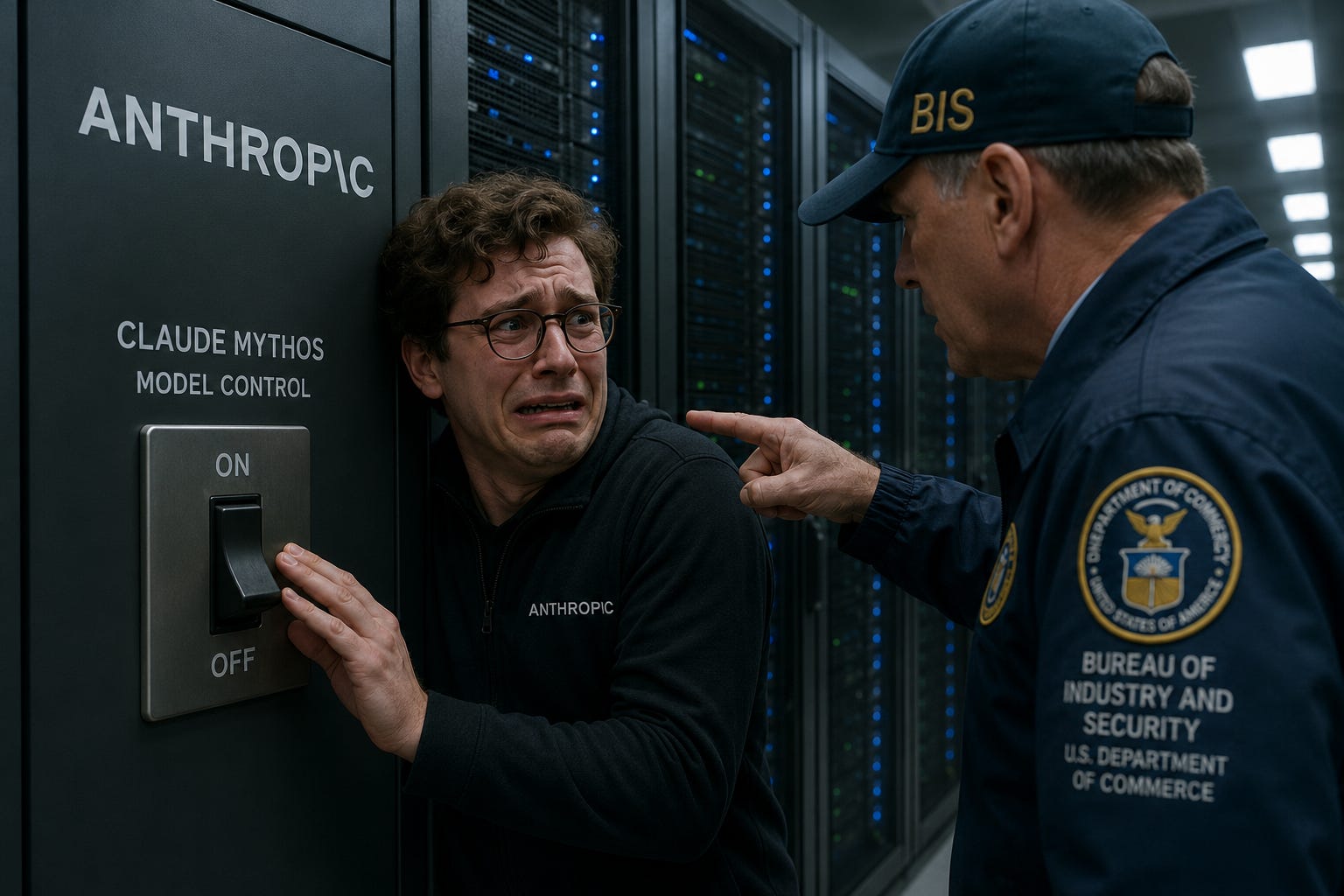
The Commerce Department shut down Anthropic’s two most powerful AI models on 12 June, three days after launch, using export control authority designed for weapons. The directive cited safety data Anthropic had voluntarily shared with government evaluators. OpenAI’s GPT-5.5, which Anthropic says has comparable capabilities, was not touched. The kill switch did not make frontier AI safer. It made frontier AI safety disclosure more dangerous. Every lab now knows that testing more rigorously and documenting more honestly is the fastest way to arm the regulator who shuts you down.
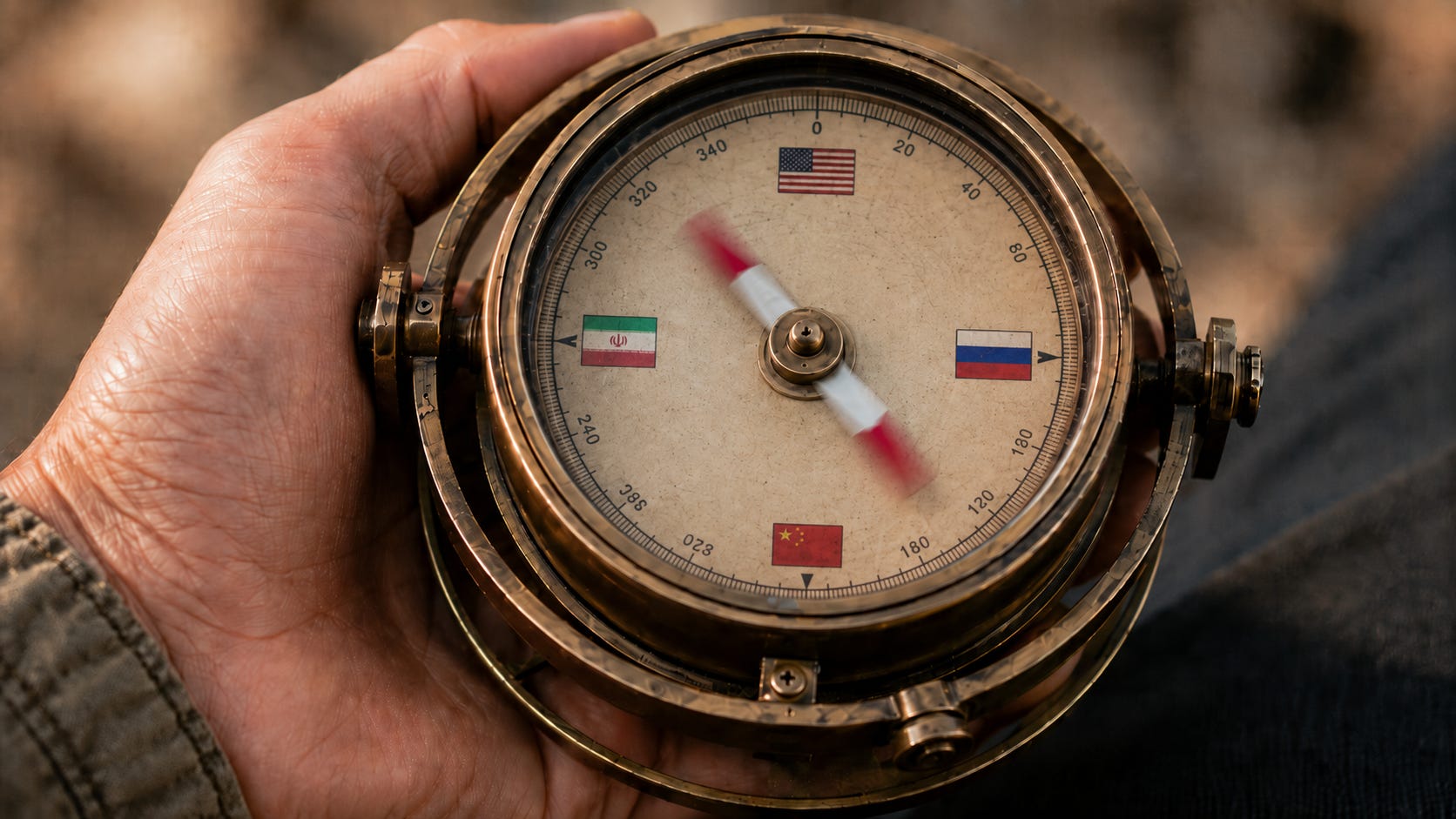
America’s allies are not protesting. They are renegotiating. The European Union signed trade agreements with Mercosur, India, and Indonesia in the seven months surrounding Washington’s withdrawal from 66 international organisations. Each agreement creates exporters, regulators, and logistics operators whose livelihoods depend on the new architecture. Japan signed defence access agreements with Australia, the UK, France, and the Philippines. The adaptation is not a protest. It is an optimisation. Optimisations create constituencies. Constituencies resist reversal. The question is no longer when America comes back. It is whether the seat is still there.

A four-page SEC rule from 1982 made share buybacks legal. S&P 500 companies spent a record $1.02 trillion on them last year. In the most recent quarter, 17% of those companies boosted earnings per share by at least 4% through share count reduction alone, no revenue growth required. Seventy-six percent of compensation committees do not adjust executive bonus targets for buyback effects. Two corporate Americas now exist: one spending $600 billion building AI infrastructure, the other spending a trillion dollars consuming its own equity and calling the smaller denominator growth.

A surgical robot in Cambridge ran 600 practice operations in 40 minutes on patients who never existed. NVIDIA’s Cosmos-H-Surgical generates photorealistic tissue that bleeds, resists, and tears with the fidelity of a real procedure. On rollout 147, the model produced an anatomical variant the engineer had never seen in three years of studying real footage. She could not tell whether it was a genuine edge case or a hallucination. The data moat that protected real clinical experience has not been breached. It has been made irrelevant.
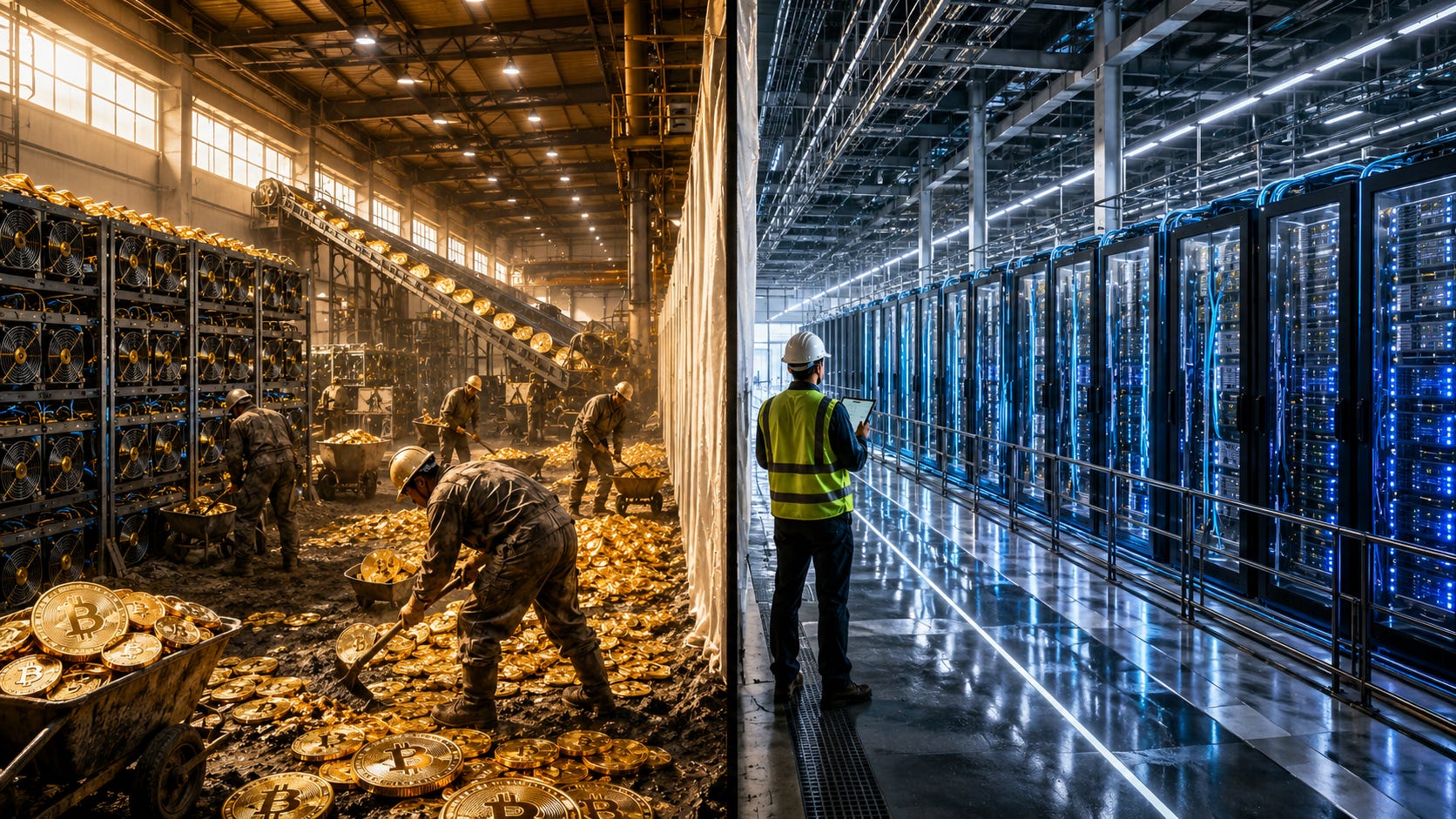
Seventy-six thousand NVIDIA GPUs arrived at a Bitcoin mining campus in Texas this spring. They cannot mine a single coin. IREN signed a $9.7 billion Microsoft contract with debt covenants that prohibit reallocation to mining. Bitcoin’s difficulty dropped 10% on Saturday. Hashrate fell below one zettahash. Across the sector, $70 billion in AI contracts have been signed and more than 15,000 bitcoin sold to fund the conversions. Bitcoin’s difficulty adjustment can make mining cheaper. It cannot conjure miners who no longer exist.
Five exits. Five ratchets. Five institutions discovering that the way out was also the way forward, and the door behind them no longer opens.
Which of today’s one-way doors do you think can still be reopened? Hit reply.
Scenarica Intelligence
We don’t predict the future. We price it.